(The Center Square) – The to-do list for Democrats who will soon control lawmaking in Harrisburg is almost certain to include party staples like a minimum wage increase and reproductive rights legislation, but the biggest question may be how to respond to intense public demand for action on data centers.
On Tuesday, a high-profile pollster gave The Center Square a preview of forthcoming poll data that shows Pennsylvanians want lawmakers to act. And, hotspots of public outrage continue to simmer around the state over proposals to build the giant buildings stuffed with servers.
In Lackawanna County, Superintendent Patrick Sheehan of Mid Valley School District on Tuesday said his district has gone to court to intervene in a situation in which Olyphant Borough Council voted to drop its traditional “conditional use” public hearing process on a big data center proposal. In exchange for that vote, the developer has agreed to pay more than $100 million for community benefits.
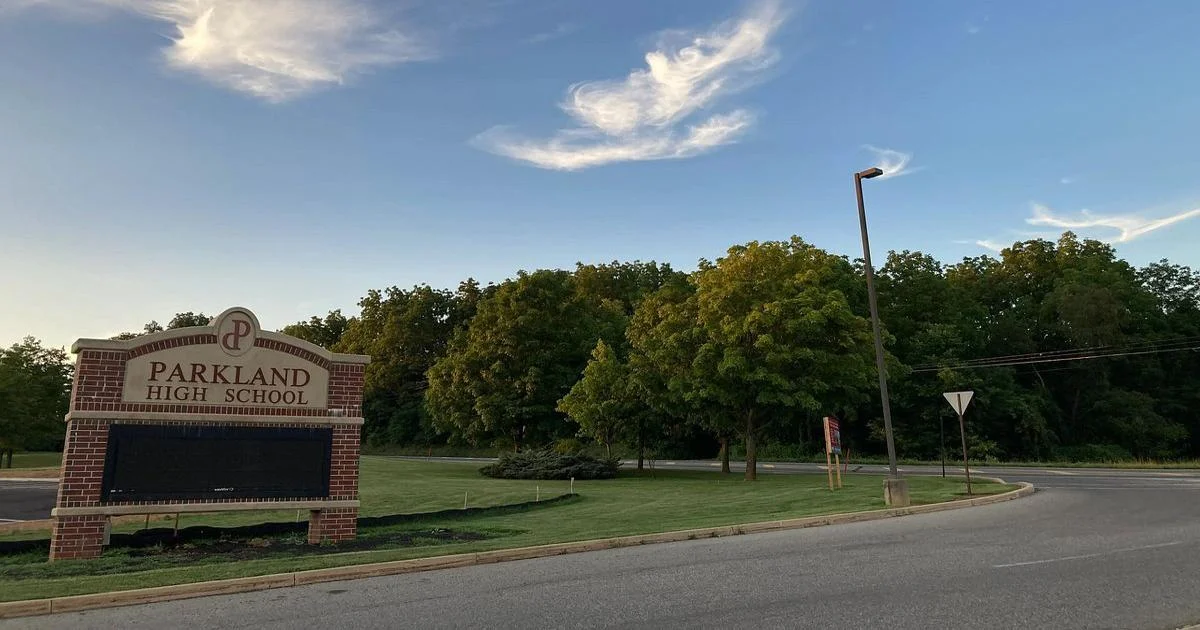
In Lehigh County Monday night, the state Department of Environmental Protection hosted a hearing on state permits requested for so-called ‘Project Atlas’. The proposed 1.5 million-square-foot data center complex would be built in Lehigh County across the street from the state’s fifth-largest high school, Parkland.
The project does not yet have full local approvals. Megan McDonough, Pennsylvania director for the advocacy group Food & Water Watch, said Gov. Josh Shapiro and the DEP appear to be “bending over backwards to build this data center.”
State Senator-elect Mark Pinsley, in a press release issued Tuesday by Food & Water Watch, said he opposed Project Atlas. “A massive data center has no business going across the street from Parkland High School or next to a residential neighborhood,” he said.
Pinsley was one of four Democratic challengers who beat incumbent Republican senators in the Nov. 3 general election, helping bring an end to more than 30 years of Republican dominance in the Senate.
Come January, his party will control the Senate, House, and governor’s office. And the public is expecting substantive action on data centers, if new polling overseen by veteran Pennsylvania pollster Chris Borick is any indication.
Borick ran a nationally recognized polling operation at Muhlenberg College for many years. In his new post as director of the just-created Lehigh University Opinion Observatory, Borick expects the Bethlehem research center to release data by mid-December on its first polling deep-dive, which is on data centers.
The results, he said, are “unquestionable” in showing “the Pennsylvania public is highly concerned with data center development. It played a role with their election decisions this fall and they want actions from policymakers.”
It would be difficult for the state legislature to do less about data centers than it did in 2026. The House and Senate failed to pass any substantive legislation on the issue.
Gov. Josh Shapiro, a possible 2028 presidential candidate, was a high-profile supporter of the data center industry as it mushroomed in Pennsylvania from late 2024 into early 2026. He appeared at the controversial “Project Hazelnut” site in Luzerne County in late 2024 to launch a “fast track” state permitting program that included many big data center proposals.
In August, facing the barrage of public negativity, he reversed course and issued an executive order that pulled data centers from the fast track list and put up “guard rails” on the industry. Among other things, the state DEP put into its permit review processes a set of Shapiro-backed safeguards.
Minimum wage and reproductive rights legislation got prominent mentions in Democratic post-election press conferences. But references to potential new data center laws were muted.
“I refuse to let this be pushed aside, forgotten about, overlooked,” state Sen. Katie Muth, a Montgomery County Democrat, said in an interview Tuesday.
Muth has pushed unsuccessfully for a three-year moratorium on data center development. She also wants to see elimination of the sales tax break given to data center companies and a legal wall to prevent data centers from being considered public utilities, among other things.
The Olyphant Borough Council votes taken on Nov. 17 triggered deep concern in some quarters.
One 5-2 vote ratified a legal settlement between the borough and developer Ercor Triboro that does away with the traditional conditional use process involving a public hearing. A separate 5-2 vote approved a community benefits agreement that would dole out $100 million-plus to the community over 15 years.
“Residents deserve to have a voice in these decisions and any move to foreclose on that process is wrong,” said state Rep. Kyle Mullins, a Democrat whose district includes Olyphant.
Mullins said the site originally was supposed to be developed with warehouses with “thousands of jobs” and the switch to data centers means public hearings are necessary.
In Harrisburg, he said, “We need urgent action to change the law on data centers.”
The Mid Valley School District’s cluster of buildings is 1.5 miles from the site but Sheehan, the school superintendent, said the location is pretty much “right behind us.”
Two thousand students as young as five years old and about 200 staffers are on the campus during the day, Sheehan said. The school district has an obligation to protect “the health, safety, and welfare of the students and staff,” he said.
It would have carried out that obligation by taking part in the public hearing process that has been scrapped, according to Sheehan.
Hence, Sheehan said, the district sought to intervene in the court case. A hearing on its participation is scheduled for Dec. 7 in Lackawanna County Court. The district also is seeking proposals on noise and environmental studies to be done at the proposed data center site.
Brian Wrightson, a Democratic senator-elect who defeated Republican incumbent Sen. Rosemary Brown, said the Olyphant council action shows data center developers “are putting an enormous amount of money in front of officials that they can hardly say ‘no’ to.”
“They should have said ‘no,’” Wrightson said of the Olyphant action. “Council has just added chaos to the lives of people.”
The loss of the conditional use process for local residents is worrisome, said Ginny Marcille-Kerslake, senior organizer for Food & Water Watch.
If not stopped in the courts, she said, the Olyphant move to bypass a public hearing “would set a dangerous legal precedent in which the corporation could pay their way out of following the legal process.”
More than once, the advocacy organization PennEnvironment has witnessed public hearing testimony influence the outcome of an industrial proposal being considered by government, according to spokesperson Flora Cardoni.
“It is very concerning,” Cardoni said of the Olyphant votes, and especially so “if it becomes commonplace that these developers sue townships and bypass public comment.”
This article was originally published by The Center Square and is republished under its open-access guidelines.