(The Center Square) – Michigan is leading the nation in efforts to combat illegal gambling operations, according to the Michigan Gaming Control Board.
Since operations began in 2023, compliance rates have increased across the state.
“The MGCB has turned the cease-and-desist letter, a tool few states used, into a model for other regulators,” MGCB’s Chief of Staff Kurt Steinkamp told The Center Square in an exclusive interview. “The results are measurable.”
Notable enforcement actions by the state agency include:
• Ordering the offshore sportsbook Bovada out of the state in May 2024. Bovada complied within 14 days.
• Sending cease-and-desist letters to 259 illegal online gambling sites in 2024. Of those, 166 have complied, which is a 64.1% compliance rate. That is up from a previously-reported rate of approximately 50%.
• A sweep of 45 operators in April 2026, which was the “largest four-month action in the program’s history.”
• Ordering 30 offshore operators out of the state in October 2026.
“Our mission is to ensure fair and honest gaming that protects Michigan residents. Illegal operators target Michigan residents while offering none of the protections state law requires,” Steinkamp said. “They also take revenue away from the schools and communities that legal gaming supports.”
Legal gaming industries generate significant revenue for Michigan, including funding for public schools and supporting local communities. Illegal operations hurt that funding source, among other concerns.
“Illegal operators don’t verify ages, offer no responsible gaming tools, and give players no recourse if something goes wrong, such as an operator refusing to pay out winnings,” Steinkamp said. “Illegal machine distributors often target underserved communities, where players have the least protection. Licensed Michigan operators must meet strict standards for fairness, security, age verification, and responsible gaming.”
As gambling continues to grow in popularity nationwide, reports have ranked Michigan among the leading states in regulating the industry. A March 2026 report from iGaming analytics firm Blask found that approximately 75% of gambling activity in Michigan goes to legal, licensed operators, compared with an average of roughly 62% across other fully regulated states.
The board conducts its operations publicly to promote transparency and raise public awareness.
“We announce every cease-and-desist letter publicly and keep a public list of offending operators,” Steinkamp said. “That transparency puts payment processors, internet service providers, social media companies, and other businesses on notice, so they can cut ties with illegal operators.”
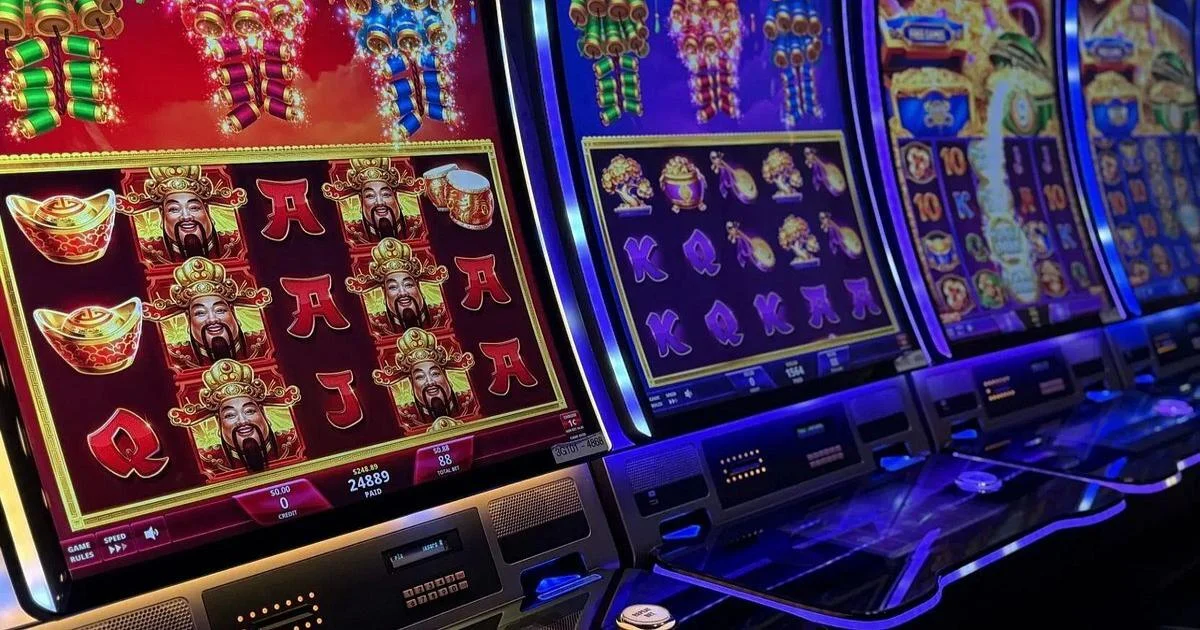
The board has also helped remove 682 illegal gaming machines from 281 locations, in addition to its efforts to address illegal offshore operations.
“Since 2015, joint investigations with the Michigan Attorney General’s office have produced 146 convictions,” Steinkamp said. “In 2026, Robinhood, Coinbase and Polymarket agreed to stop offering sports wagering contracts to Michigan customers.”
In addition to the convictions, those investigations have led to 1,824 seized machines and $598,524.98 in seized cash since 2015.
Other states and gaming boards have followed Michigan’s lead.
“These results belong to our entire team: the investigators, analysts, and staff who work these cases every day, along with our partners at the Michigan Department of Attorney General,” said MGCB Executive Director Henry Williams. “Their work is why Michigan has become a model for other states, and we will keep at it until illegal operators understand that Michigan is off-limits.”
The board encourages residents to report illegal gambling by calling 1-888-314-2682 or emailing MIGamblingTip@michigan.gov. Those seeking help to stop gambling can call 1-800-GAMBLER.
This article was originally published by The Center Square and is republished under its open-access guidelines.